Unleash Your Adventurous Spirit: A Comprehensive Guide to Trekking
Introduction
Are you ready to embark on a thrilling journey into the wilderness? Do you crave the adrenaline rush that comes with conquering new terrains and exploring breathtaking landscapes? If so, it’s time to unleash your adventurous spirit and delve into the world of trekking. In this comprehensive guide, we will equip you with the knowledge and tools you need to embark on an unforgettable trekking adventure.
What is Trekking?
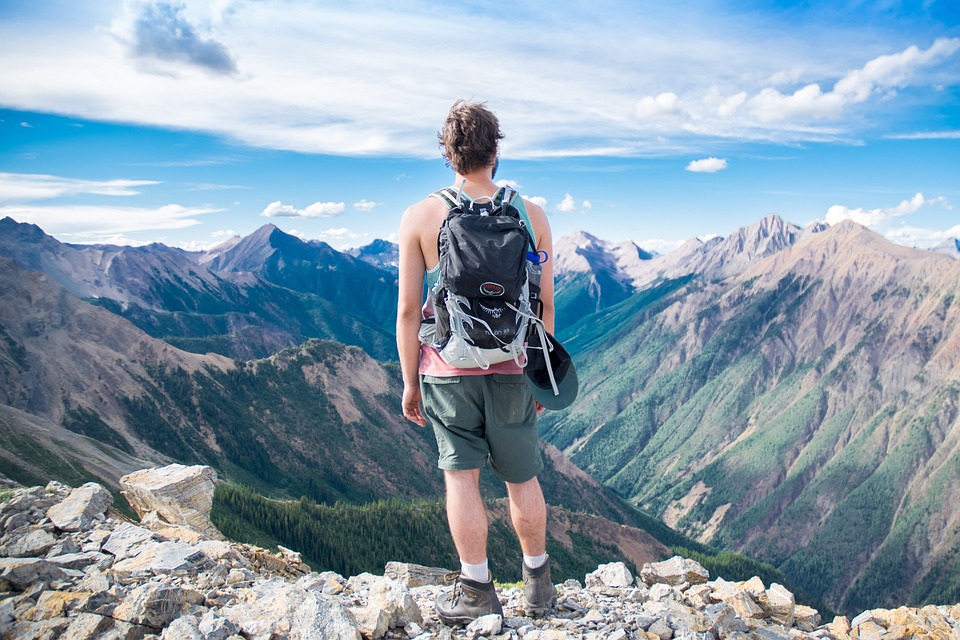
Trekking, often used interchangeably with hiking, is a form of outdoor activity that involves walking long distances on foot through challenging terrains such as mountains, forests, or deserts. Unlike regular hiking, trekking usually involves multi-day expeditions where you carry all your necessary gear and supplies with you.
While trekking can be physically demanding, it offers a unique opportunity to connect with nature, test your limits, and immerse yourself in awe-inspiring landscapes. It allows you to escape the hustle and bustle of everyday life and discover hidden gems that can only be reached on foot.
Preparing for Your Trekking Adventure
Before embarking on your trekking adventure, thorough preparation is crucial to ensure a safe and enjoyable experience. Here are some essential steps to take:
Choose the Right Trekking Destination
The first step in planning your trekking adventure is selecting the right destination. Consider factors such as difficulty level, climate, and the natural beauty of the area. Whether you prefer trekking through snow-capped mountains or lush rainforests, there are countless destinations around the world to suit every adventurer’s taste.
Physical Fitness and Training
Trekking requires a certain level of physical fitness. Engage in regular aerobic and strength training exercises to build endurance and strengthen your muscles. Incorporate activities like hiking, jogging, and cycling into your routine to prepare your body for the challenges ahead.
Invest in Quality Gear
Investing in high-quality trekking gear is essential to ensure your safety and comfort during your expedition. A sturdy backpack, proper hiking boots, weather-resistant clothing, a reliable tent, and a sleeping bag are just a few of the essential items you’ll need. Research and invest in gear that suits the specific conditions of your chosen trekking destination.
Acclimatization
If you’re trekking at high altitudes, acclimatization is crucial to prevent altitude sickness. Gradually ascend to higher elevations, allowing your body to adjust to the changing oxygen levels. Stay hydrated and listen to your body, as ignoring symptoms of altitude sickness can be dangerous.
Navigation and Safety
Before setting off on your trek, familiarize yourself with the route and carry a detailed map or a GPS device. It’s also important to inform someone about your planned route and estimated return time. Familiarize yourself with basic first aid techniques and carry a well-stocked first aid kit. Always prioritize safety and be aware of potential risks and hazards.
Frequently Asked Questions (FAQs)
Q: How long does a typical trekking expedition last?
A: The duration of a trekking expedition can vary significantly depending on factors such as the difficulty level of the trail and the distance covered. It can range from a few days to several weeks.
Q: What should I pack for a trekking adventure?
A: Packing essentials include a backpack, hiking boots, appropriate clothing layers, a tent, a sleeping bag, a water filtration system, a first aid kit, a map or GPS device, and sufficient food and water supplies. It’s important to pack light but ensure you have all the necessary gear for a safe and comfortable journey.
Q: How should I prepare for trekking at high altitudes?
A: Preparing for high-altitude trekking involves regular aerobic and strength training exercises to build endurance. It’s also recommended to spend a few days acclimatizing at lower altitudes before ascending to higher elevations. Stay hydrated, avoid alcohol and tobacco, and listen to your body for any signs of altitude sickness.
Q: Are guided treks recommended for beginners?
A: Yes, guided treks are highly recommended for beginners. They provide valuable guidance, ensure safety, and offer insights into the local culture and environment. Experienced guides can also assist with navigation and provide support in case of emergencies.
Q: How can I minimize my impact on the environment while trekking?
A: To minimize your impact on the environment while trekking, follow the principles of Leave No Trace. This includes packing out all your trash, respecting wildlife and vegetation, using designated campsites, and avoiding the use of single-use plastic items. Leave the natural environment as you found it, ensuring its preservation for future generations.
Conclusion
Embarking on a trekking adventure is an exhilarating experience that allows you to unleash your adventurous spirit and connect with nature in a profound way. By following the comprehensive guide we have provided, you’ll be well-equipped to plan and execute a safe and memorable trekking expedition. So, lace up your hiking boots, pack your gear, and get ready to embark on a journey of a lifetime.
For more information and inspiration on trekking, check out these valuable resources: